Finger Abduction Exercise
The Finger Abduction Exercise is a gentle hand exercise that involves spreading the fingers apart and bringing them back together. It can help support finger mobility, coordination, and comfortable movement of the hand.
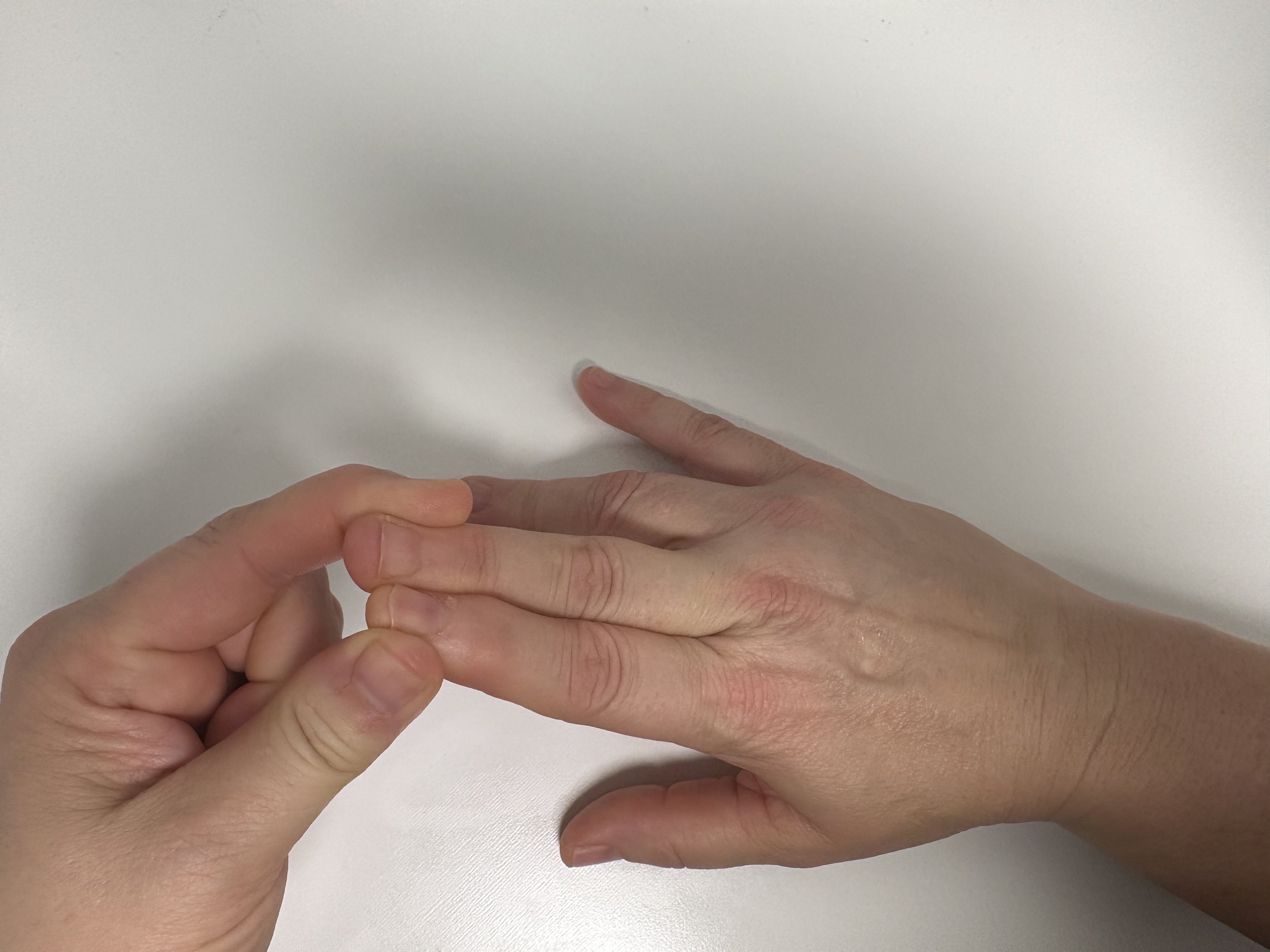
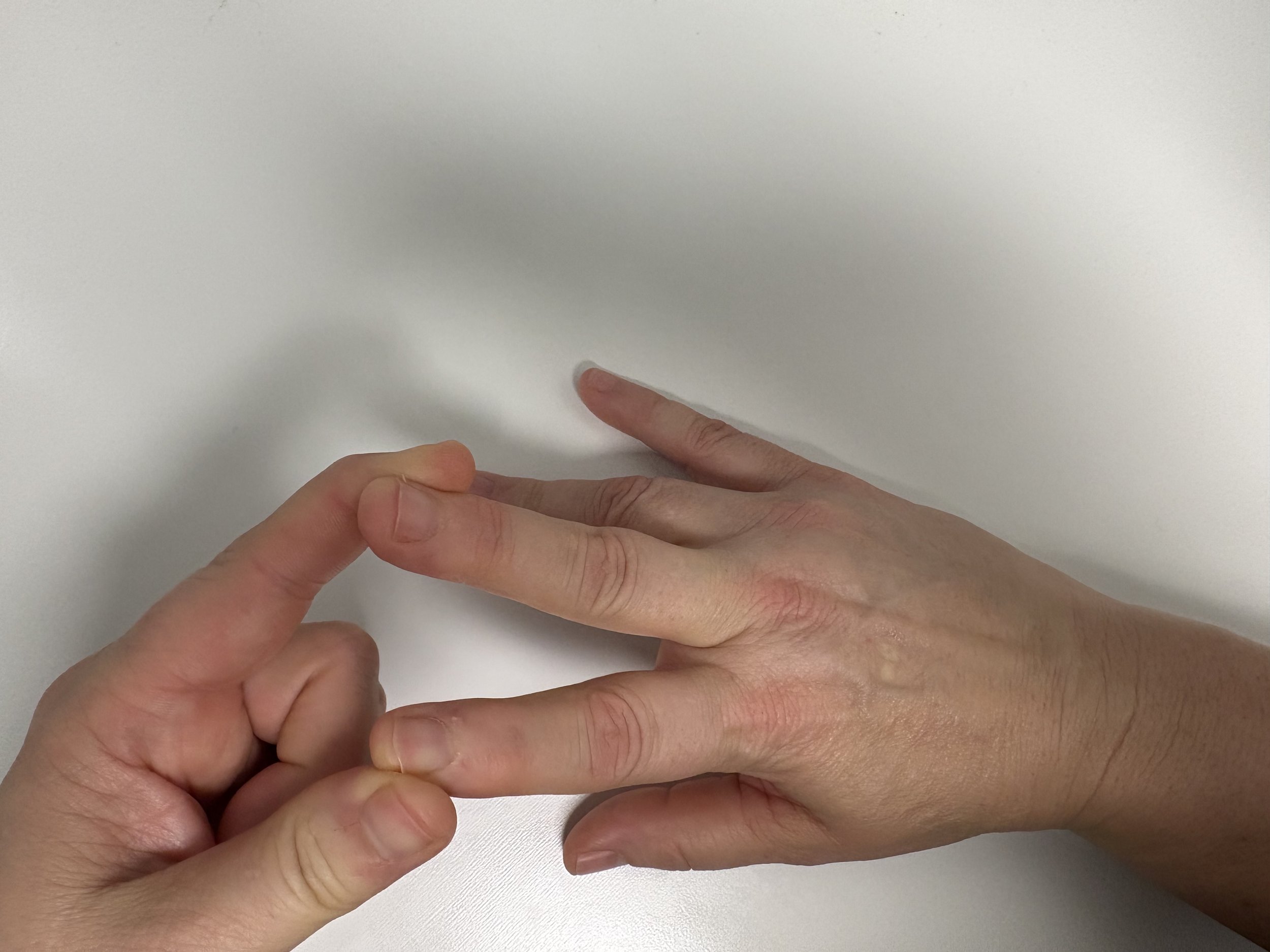
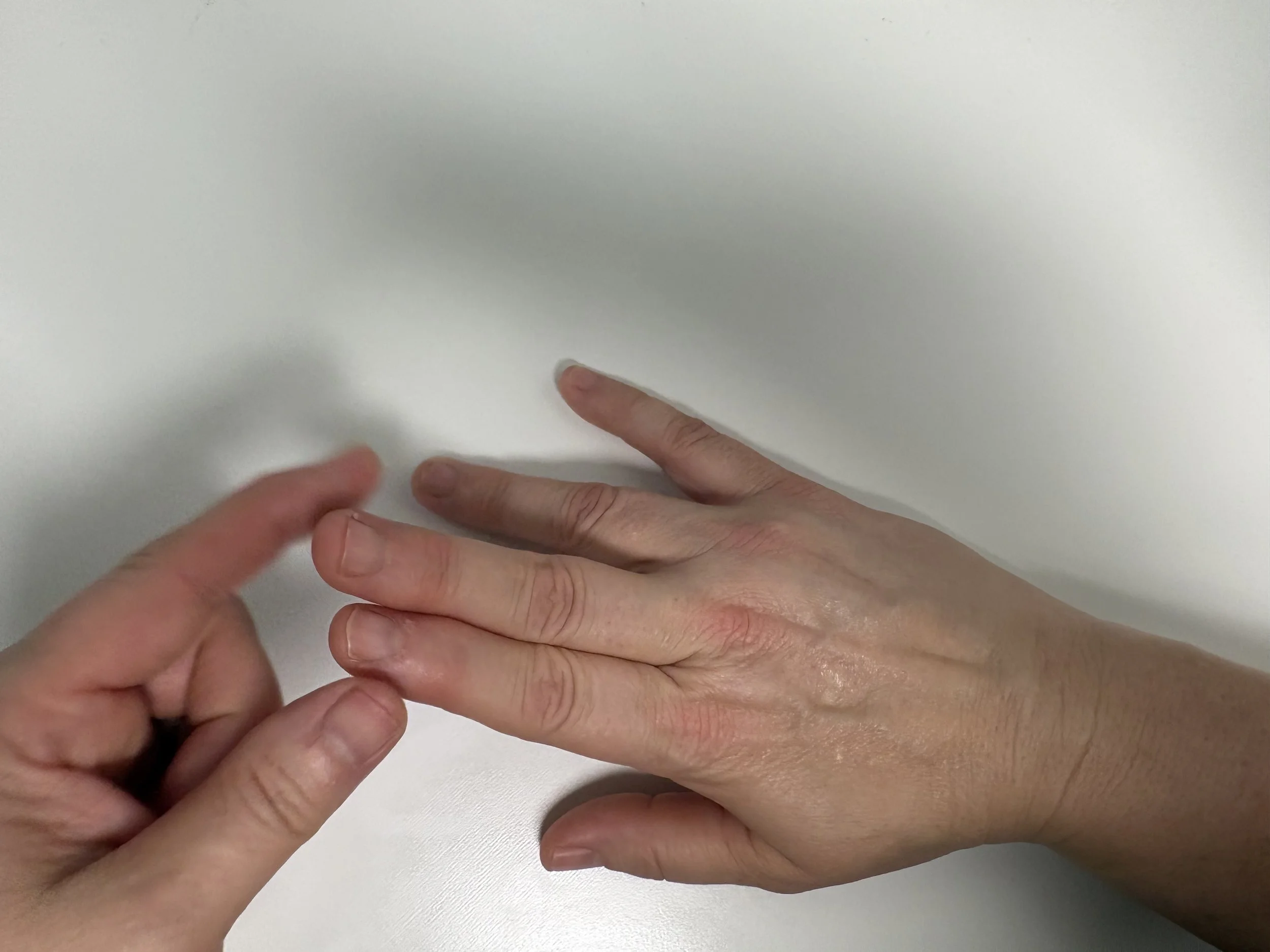
How to Perform Finger Abduction Exercise
Begin with your hand relaxed and your fingers together.
Slowly spread your fingers apart as comfortably as possible.
Hold briefly.
Slowly bring your fingers back together.
Keep your hand and wrist relaxed throughout the movement.
Repeat using slow, controlled movements.
What Does This Exercise Help?
The Finger Abduction Exercise encourages gentle movement of the fingers away from and back toward each other. It can help maintain finger mobility, support coordination, and encourage comfortable hand movement.
Benefits
• Encourages finger mobility
• Supports finger coordination
• Helps maintain comfortable movement between the fingers
• Encourages controlled hand and finger movement
Equipment Needed
No equipment is needed for this exercise.
Repetitions
Slowly spread the fingers apart and then bring them back together. Repeat 5–10 times, moving slowly and comfortably.
Tips
• Keep your hand and wrist relaxed.
• Spread the fingers gently without forcing them.
• Move slowly and with control.
• Keep your wrist in a comfortable position.
• Stay within a comfortable range.
Common Mistakes
• Spreading the fingers too forcefully
• Moving too quickly
• Tensing the hand or wrist
• Forcing the fingers beyond a comfortable range
• Continuing through increasing pain or discomfort
Stop If
Stop the exercise if you experience sharp or increasing pain, significant catching or locking, increased swelling, numbness or tingling, or worsening symptoms.
Related Conditions
This exercise may be included as part of an individualized home-care plan for
• Trigger finger
• Finger stiffness
• Reduced finger mobility
• Hand stiffness
• Reduced finger coordination
Need More Help?
If finger or hand pain, stiffness, catching, locking, or limited movement continues, an assessment can help determine what may be contributing to your symptoms and whether massage therapy or another healthcare approach may be appropriate.
Disclaimer
This exercise is provided for general educational purposes and is not a substitute for individual medical advice, diagnosis, or treatment. Exercises should be performed within a comfortable range. If you are unsure whether this exercise is appropriate for you, consult a qualified healthcare professional.
Marjorie Dickson, RMT