Finger Bend Exercise
The Finger Bend Exercise is a gentle movement that helps maintain finger mobility and encourages smooth movement through the finger joints and tendons. Move slowly and stay within a comfortable range without forcing the finger.
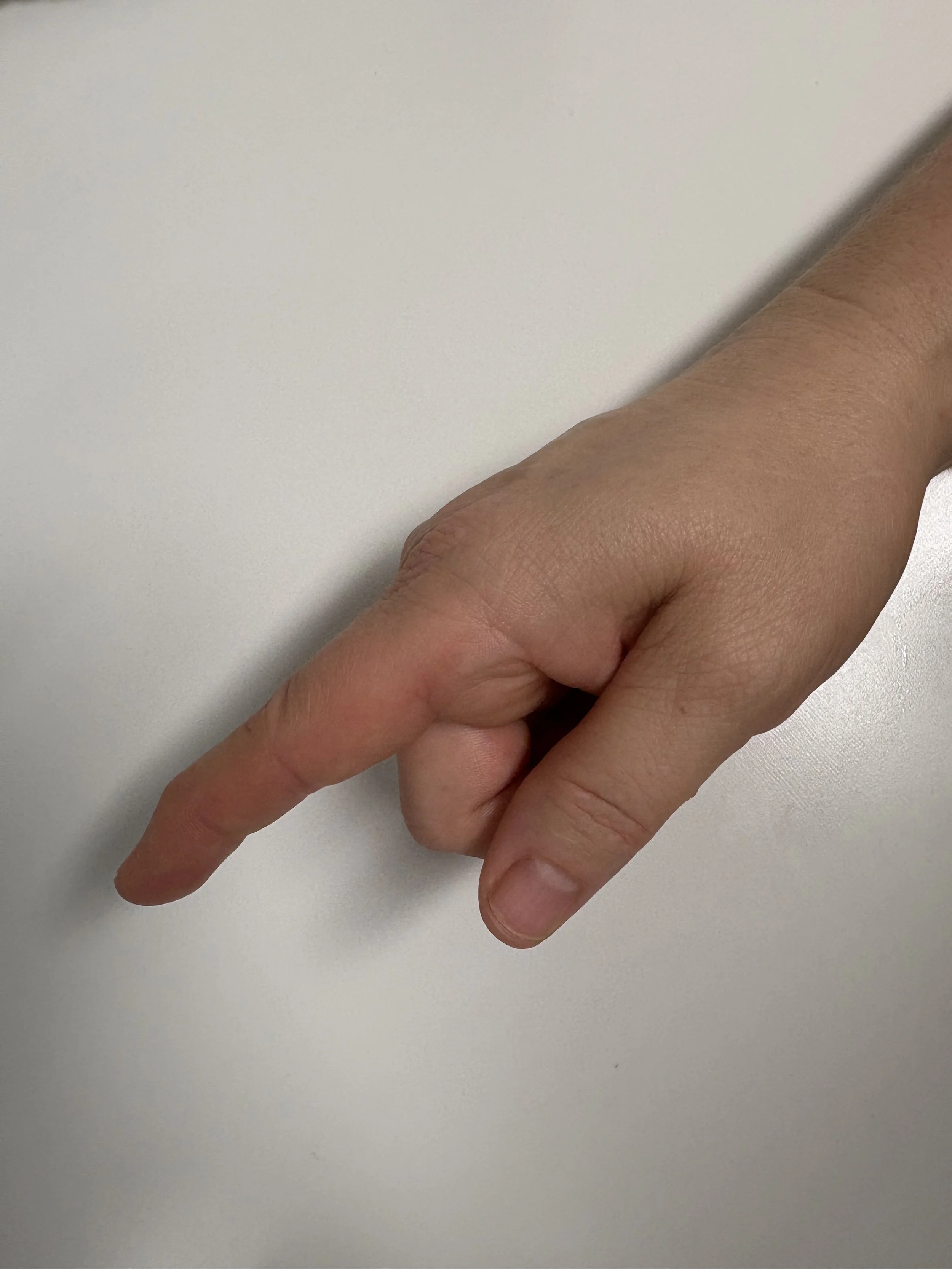
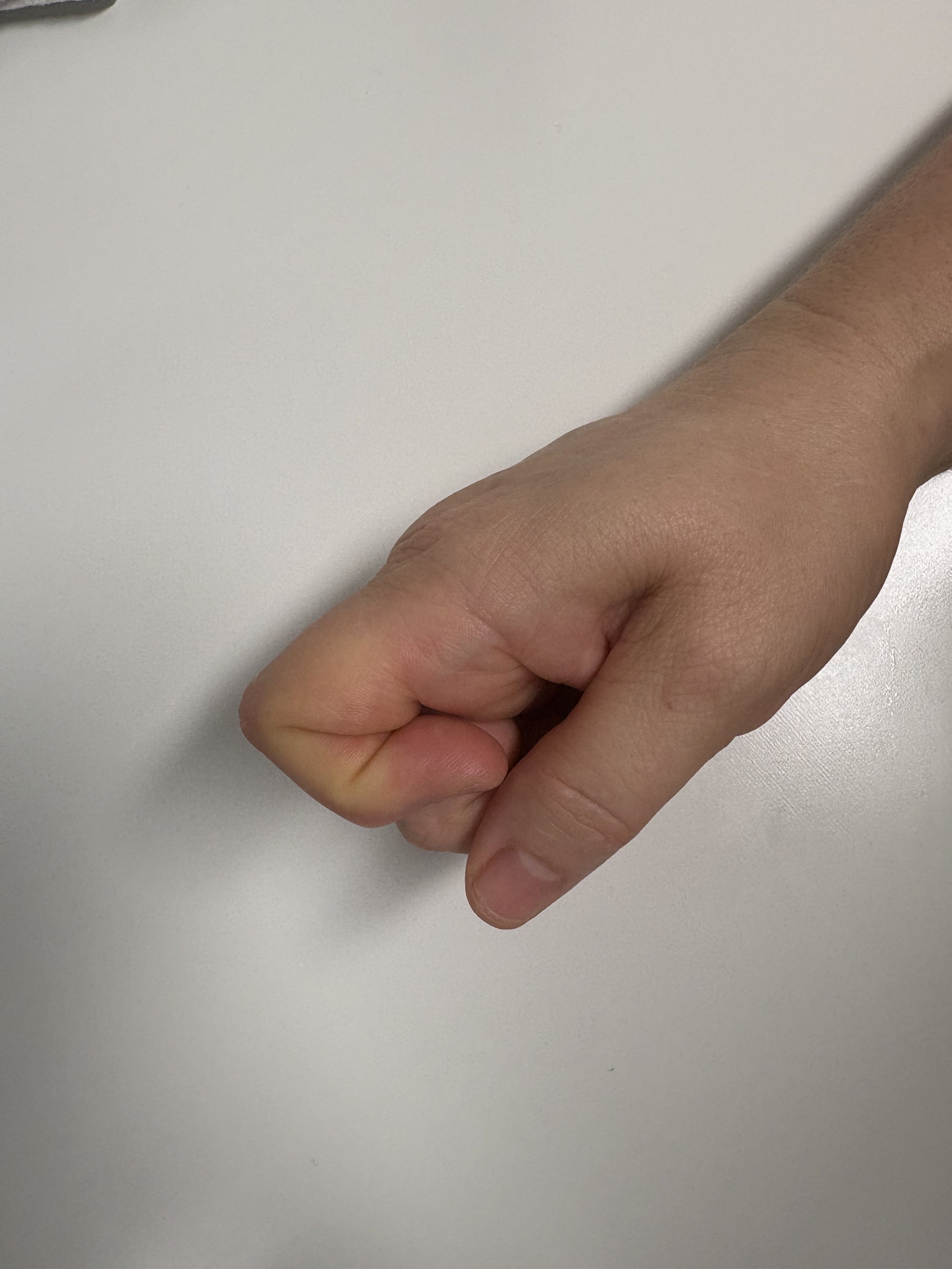
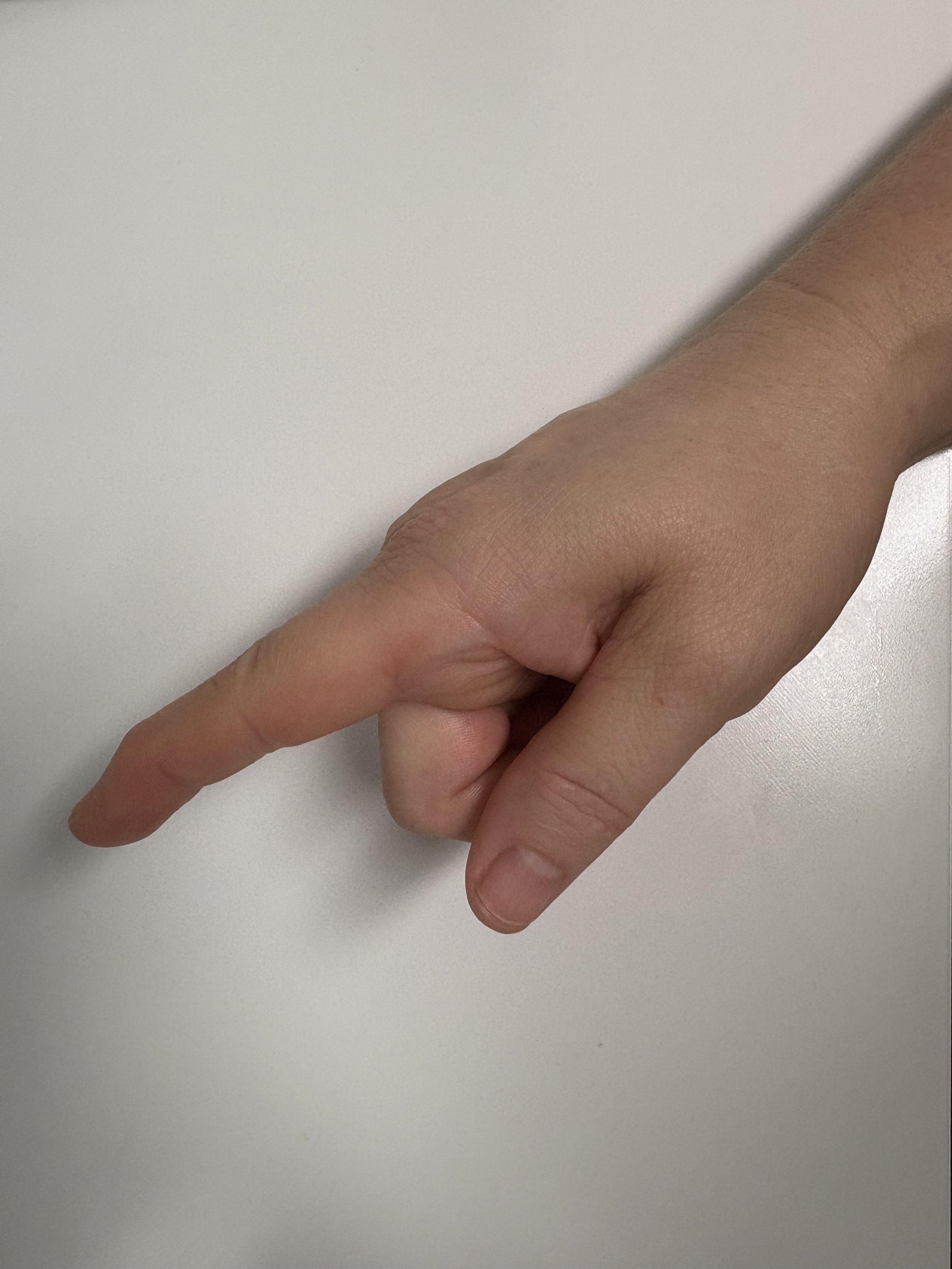
How to Perform the Finger Bend Exercise
Begin with your hand relaxed and your finger comfortably straight.
Slowly bend the finger toward your palm, moving only within a comfortable range.
Pause briefly, then slowly straighten the finger again.
Keep the movement gentle and controlled. Do not force the finger through pain, catching, or locking.
Repeat 5–10 times, as comfortable.
What Does This Exercise Help?
The Finger Bend Exercise helps maintain comfortable finger movement and encourages the flexor tendons to glide as the finger bends and straightens. Gentle movement may help maintain mobility and support comfortable finger movement.
Benefits
Helps maintain finger mobility
Encourages gentle tendon movement
Supports comfortable finger movement
Supports comfortable bending and straightening of the finger
Equipment Needed
No equipment is needed for this exercise.
Repetitions
Repeat 5–10 times, moving slowly and staying within a comfortable range. Stop if the finger becomes increasingly painful or begins catching or locking.
Tips
• Move slowly and gently.
• Keep your hand and wrist relaxed.
• Bend only as far as feels comfortable.
• Straighten the finger slowly between repetitions.
• Do not force the finger through a catching or locking sensation.
Common Mistakes
• Bending the finger too quickly
• Forcing the finger into a tightly closed position
• Continuing through increasing pain
• Tensing the hand or wrist during the movement
Stop If
Stop the exercise if you experience sharp or increasing pain, significant catching or locking, increased swelling, or worsening symptoms.
Related Conditions
This exercise may be included as part of an individualized home-care plan for
• Trigger finger
• Finger stiffness
• Reduced finger mobility
• Hand stiffness
Need More Help?
If finger pain, stiffness, catching, or locking continues, an assessment can help determine what may be contributing to your symptoms and whether massage therapy or another healthcare approach may be appropriate.
Disclaimer
This exercise is provided for general educational purposes and is not a substitute for individual medical advice, diagnosis, or treatment. Exercises should be performed within a comfortable range. If you are unsure whether this exercise is appropriate for you, consult a qualified healthcare professional.
Marjorie Dickson, RMT