Wrist Deviation Exercise for Gentle Mobility & Comfort
TRIGGER FINGER | Gentle Mobility Care for the Wrist & Hand
The Wrist Deviation Exercise is a gentle movement that guides the wrist side to side while keeping the forearm supported. This home-care exercise helps maintain wrist mobility and encourages comfortable movement through the wrist and hand. Always move slowly and stay strictly within a comfortable, pain-free range.
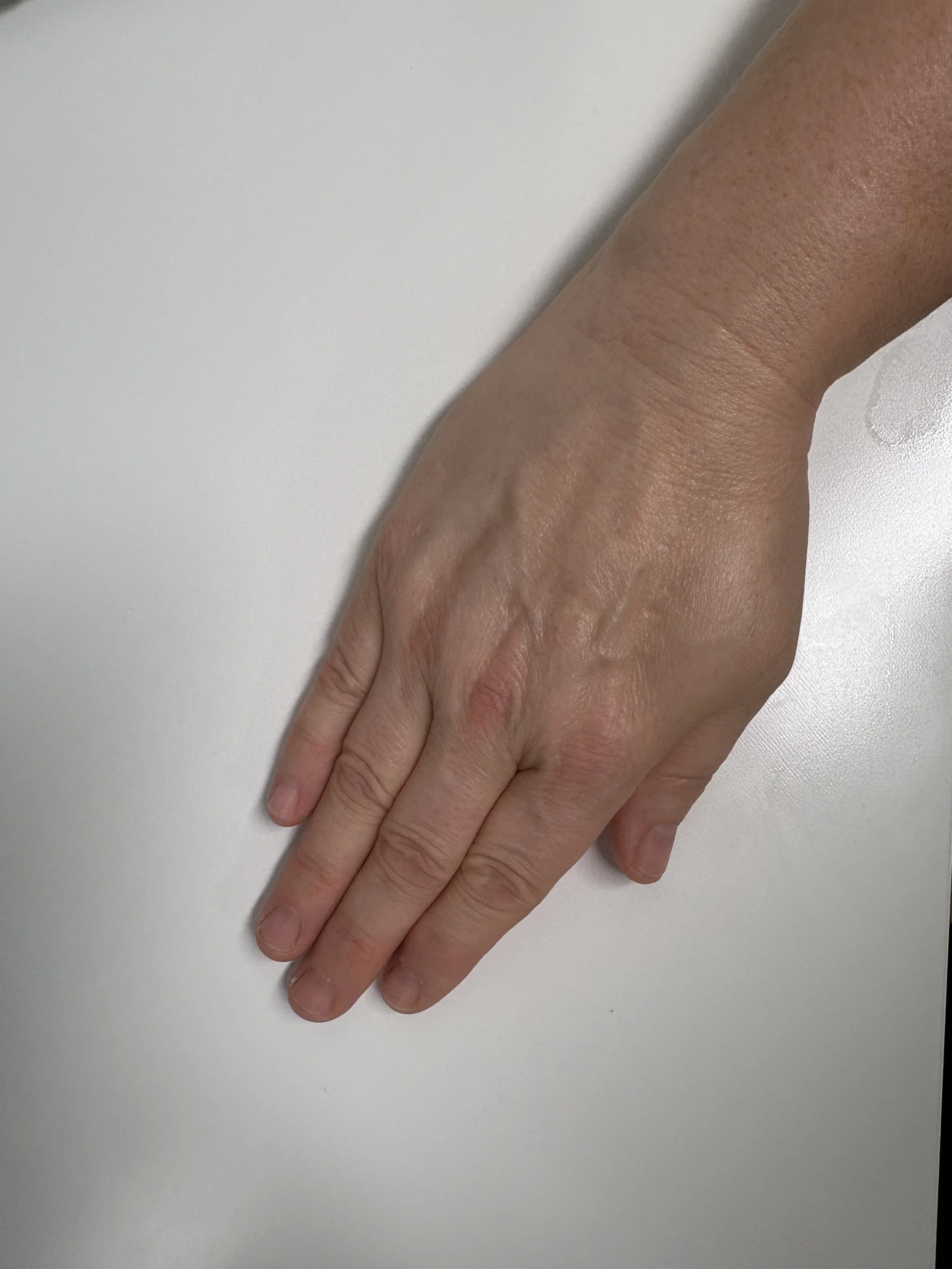
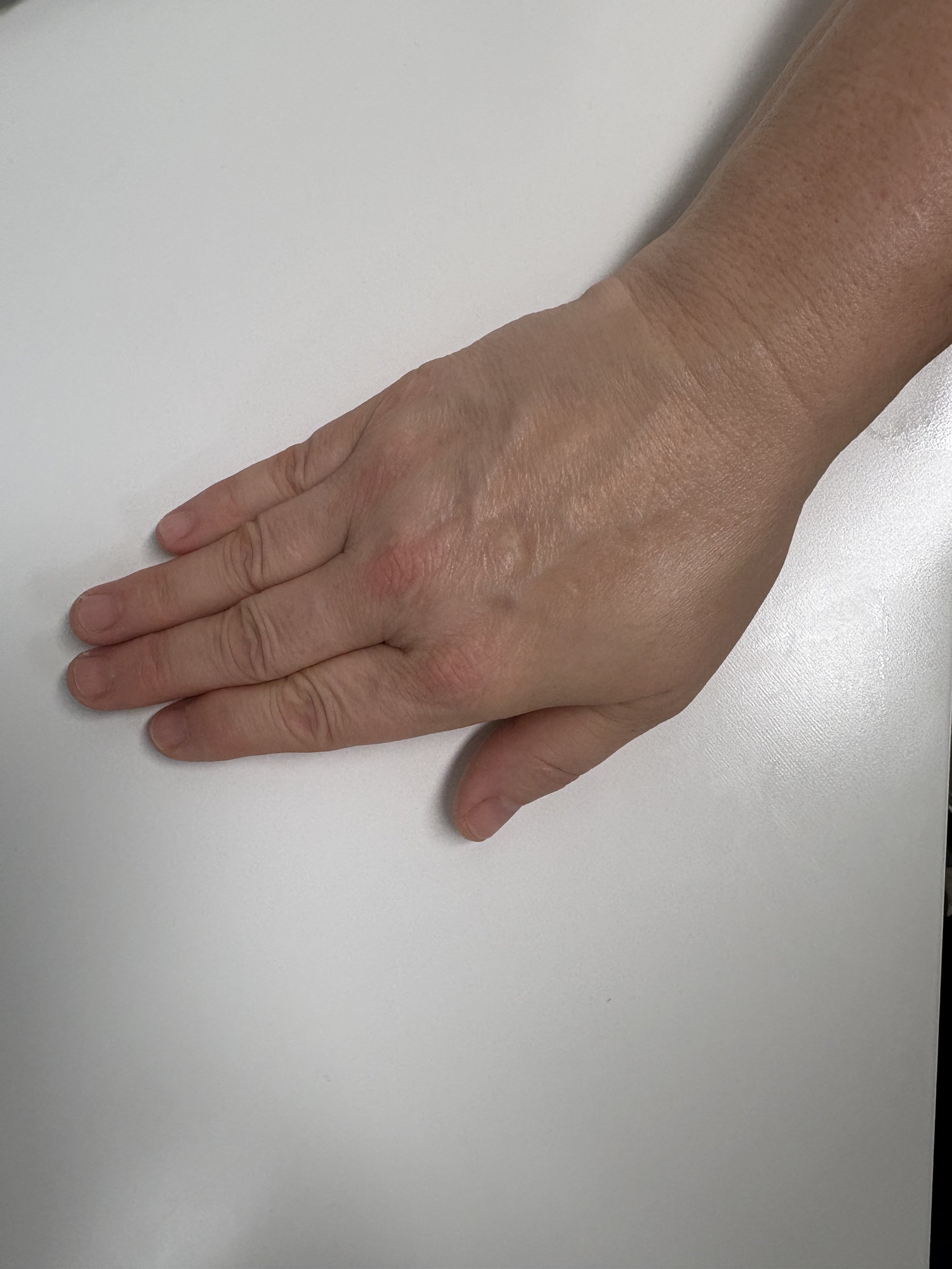
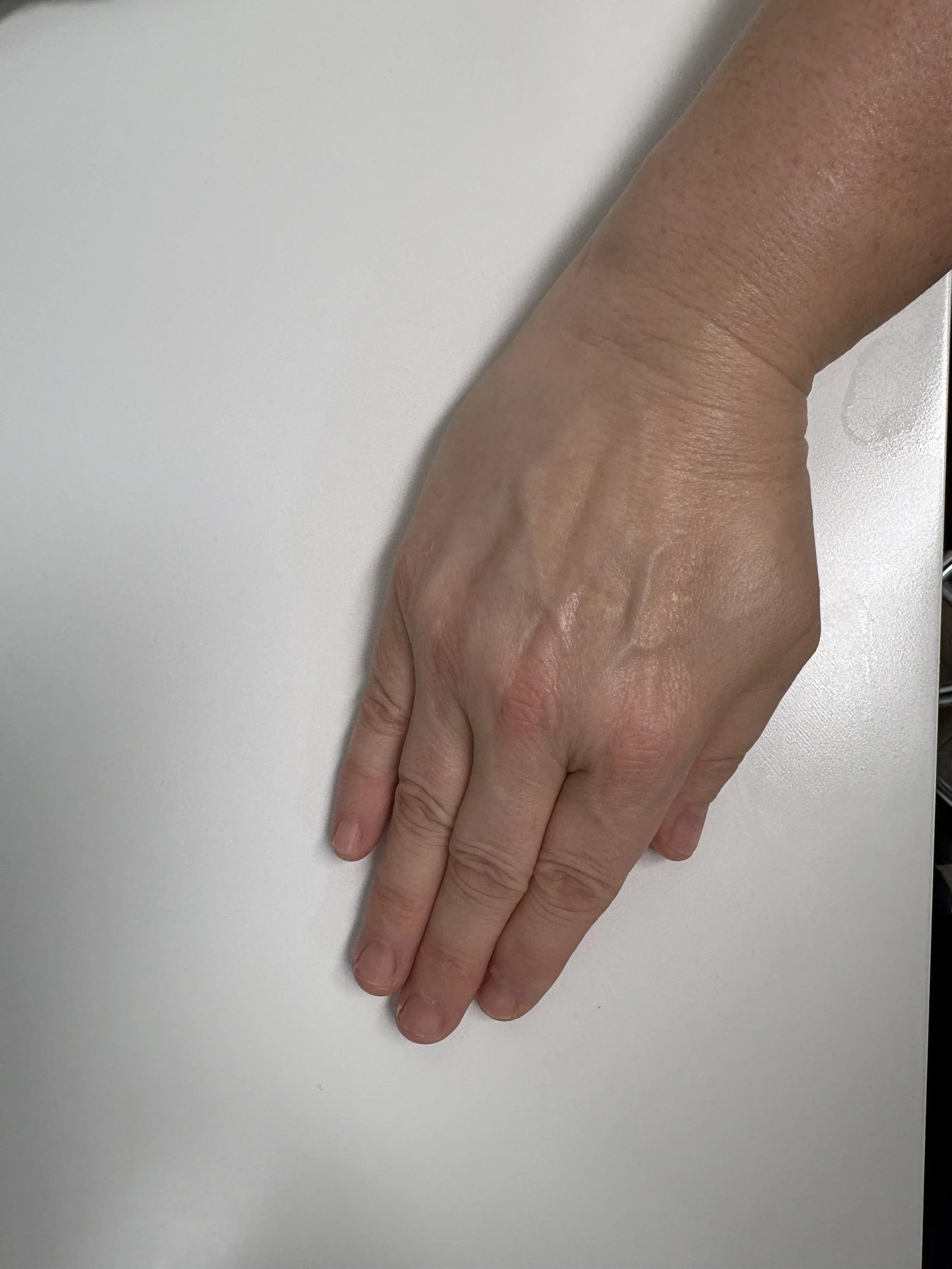
How to Perform the Exercise
Rest your forearm flat on a table or comfortable surface with your hand extending just past the edge.
Keep your forearm completely still and your hand relaxed.
Slowly tilt your hand to one side at the wrist joint.
Gently tilt your hand in the opposite direction in a smooth, controlled motion.
Repeat 5 to 10 times in each direction, as comfortable.
Exercise Overview & Parameters
Benefits Supports side-to-side wrist mobility, encourages comfortable functional movement, and complements soft-tissue care between sessions. Equipment Needed A table, desk, or armrest to support your forearm. Recommended Parameters Perform 5–10 controlled repetitions per direction. Move slowly and avoid forcing the joint.
Technique Tips & Common Mistakes
Key Tips: Move strictly from the wrist rather than the elbow or forearm. Keep your fingers, hand, and forearm relaxed, focusing on smooth, deliberate motion.
Common Mistakes to Avoid: Moving your entire arm, rushing or bouncing at the end range, forcing the wrist past a comfortable stop point, or tensing your fingers.
When to Stop: Discontinue immediately if you experience sharp or increasing pain, swelling, numbness, tingling, or worsening symptoms.
Clinical Context & Next Steps
When Helpful: As part of an RMT-recommended home-care plan to support general wrist or hand stiffness, reduced mobility, or functional lower arm discomfort.
Professional Support: If stiffness continues to limit your daily activities, a professional assessment can help identify soft-tissue factors and determine if Massage Therapy or Osteopathic manual care is right for you.
Disclaimer: This guide is for general educational purposes only and does not constitute medical advice or a formal treatment plan. Perform exercises within a pain-free range and consult a qualified healthcare provider if unsure.
Marjorie Dickson, RMT